 English
Why Would We Need Customize Lithium-Ion Battery Pack?
Why Would We Need Customize Lithium-Ion Battery Pack?
Customizing a lithium-ion battery pack can be necessary for several reasons:
1. Specific Requirements: Different applications have unique power and energy requirements. Customization allows designers to tailor the battery pack's capacity, voltage, and current ratings to fit these specific needs. For example, consumer electronics, electric vehicles, and renewable energy storage each have distinct requirements that standard off-the-shelf batteries may not fully meet.
2. Space Constraints: Sometimes, the available space for installing a battery pack is limited or irregularly shaped. Customization allows for designing a battery pack that fits snugly into the available space without wasting any volume, which is crucial in compact devices or vehicles.
3. Performance Optimization: Customizing the battery pack can optimize its performance for a particular application. This includes improving energy density (the amount of energy stored per unit volume or weight), cycle life (number of charge-discharge cycles before capacity degradation), and efficiency (energy conversion rate from electrical energy to usable energy).
4. Integration with Electronics: Some applications require the battery pack to integrate seamlessly with other electronic systems. Customization ensures that the battery pack can communicate effectively with the device's control systems and sensors, enabling better monitoring, safety features, and overall system efficiency.
5. Environmental Conditions: Extreme temperatures, vibrations, or exposure to moisture can affect battery performance and longevity. Customized battery packs can include protective features like thermal management systems, ruggedized casings, or conformal coatings to enhance durability and reliability in harsh environments.
6. Cost Efficiency: In some cases, customizing a battery pack can be more cost-effective than using multiple standard batteries or modifying existing designs to fit specific requirements. It can reduce overall system costs by improving efficiency, reducing maintenance needs, and extending the lifespan of the battery pack.
Overall, customizing lithium-ion battery packs allows manufacturers and designers to create solutions that are better suited to the unique demands of their applications, whether it's for improving performance, integrating with complex systems, or optimizing space and cost efficiency.
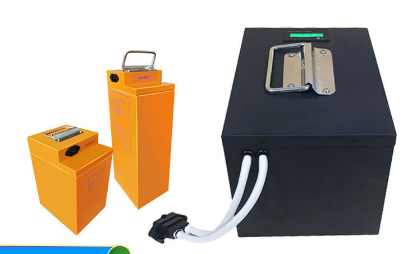
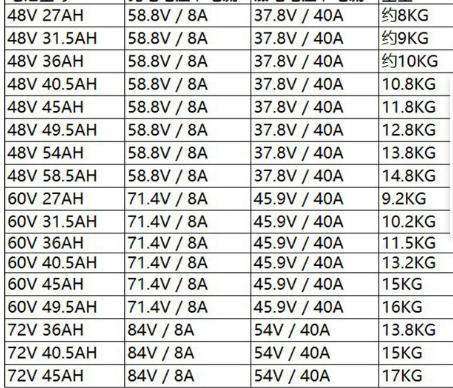
Can I Replace My Lead-Acid Battery with a LiFePO₄ Battery
As energy storage technology advances, many users are asking whether they can replace traditional lead-acid batteries with lithium iron phosphate batteries (LiFePO₄ batteries) . The answer is yes—in most cases, LiFePO₄ batteries can directly replace lead-acid batteries, offering significant performance, safety, and long-term cost advantages. However, understanding key differences is essential to ensure a smooth and successful upgrade.
Read MoreLiFePO₄ Battery Depth of Discharge and Cycle Life Explained
Lithium Iron Phosphate batteries (LiFePO₄ batteries) are widely recognized for their safety, stability, and long service life. When evaluating these batteries for solar energy storage, RVs, marine systems, or backup power, two key concepts often come up: depth of discharge (DoD) and cycle life. Understanding how these factors relate helps users maximize performance and extend battery lifespan.
Read MoreHow to Maintain and Store a 12V/24V LiFePO₄ Battery
Lithium Iron Phosphate (LiFePO₄) batteries are known for their safety, long lifespan, and low maintenance requirements. However, proper maintenance and correct storage practices are still essential to ensure reliable performance and maximize service life, whether the battery is used in a 12V or 24V system. By following a few best practices, users can protect their investment and keep their energy storage system operating efficiently for years.
Read More