 English
How Many Degrees Of Lithium Iron Phosphate Battery Resistance To Low Temperature?
How Many Degrees Of Lithium Iron Phosphate Battery Resistance To Low Temperature?
The performance of conventional lithium iron phosphate batteries is affected at low temperature. At a low temperature of -20 ° C, the capacity attenuation of lithium iron phosphate batteries is about 50% of the original capacity. Low temperature will cause the internal reaction rate of the battery to slow down, the ion conductivity of the electrolyte will decrease, and the available capacity of the battery will be reduced.

Using proprietary battery raw material formula and innovative manufacturing technology, Zhongke low-temperature lithium battery can effectively improve the discharge performance of the battery at low temperature, reduce the internal resistance of the battery, and achieve the effect of high-speed discharge; Therefore, the low-temperature lithium battery has a longer life and stronger power. Discharging at 0.2c at a low temperature of -40℃, the low-temperature battery discharge capacity of Zhongke is still more than 80%.
Product Description:
Item Specification Remarks
Average [email protected]~2.5V: 15000mAh 1C discharge1C
Minimum capacity(@3.65~25V: 14800mAh 1C discharge1C
AC-IR: ≤3m2 AC 1kHz@25℃
DC-IR: ≤8m2 25℃@2C30s
End-of-charge Voltage: 3.65e 30%SOC
End-of-charge Current: 750 mA 0.05C
End-of-discharge Voltage: 2.5/2.0e
Nominal Voltage: 3.2v T>0℃/ CT≤0℃
Standard Charging current: 7500mA 0.5C
Fast charge: 15000mA 1C
Standard Discharge current: 7500mA 0.5C
Max Continuous Discharge current: 45000mA 3C
The high temperature performance of lithium iron phosphate battery is superior, the high temperature peak is 550 ° C -600 ° C. The low temperature resistance of lithium iron phosphate battery is also relatively good. The normal working temperature can work normally at -20 ° C -50 ° C, the charging temperature is 0 ° C -50 ° C, not like the lead-acid battery. In Winter below 0 ° C, the battery life is greatly reduced. Even less than half of the original, lithium iron phosphate battery will not, its low temperature resistance performance is not as good as ternary lithium battery, but under 10 ° C, the battery life will not have the slightest impact, under 20 ° C, the battery life will not be lower than the original 80%, you can rest assured in the cold Winter.
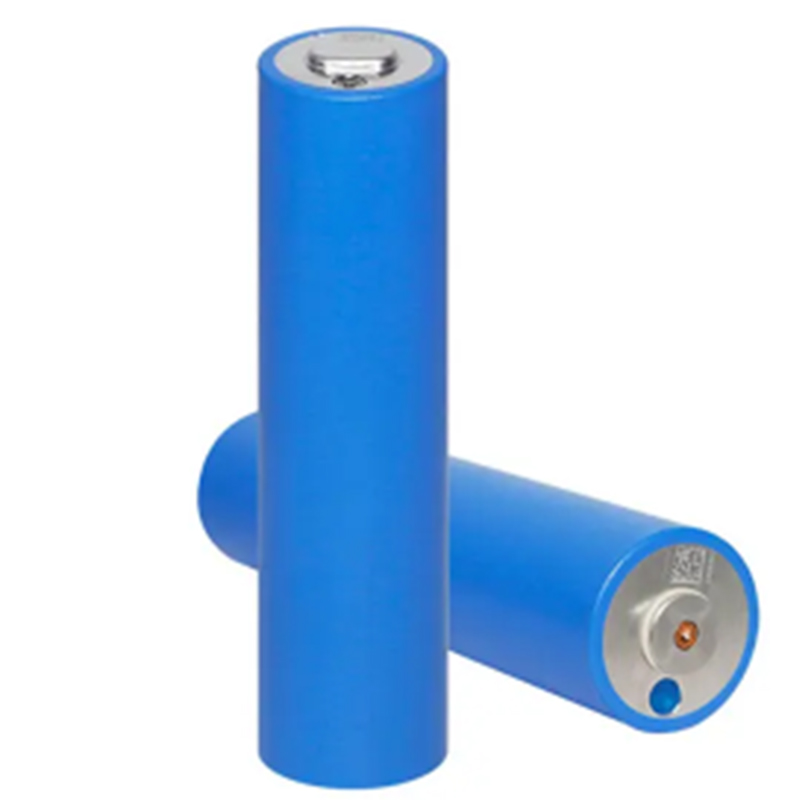
In addition, when the lithium iron phosphate battery is used in winter, it is recommended that the charging work be carried out indoors, which can be fully charged, the battery and charger are away from water sources and open flames, and do not be placed in a cold and humid environment for a long time.
Can I Replace My Lead-Acid Battery with a LiFePO₄ Battery
As energy storage technology advances, many users are asking whether they can replace traditional lead-acid batteries with lithium iron phosphate batteries (LiFePO₄ batteries) . The answer is yes—in most cases, LiFePO₄ batteries can directly replace lead-acid batteries, offering significant performance, safety, and long-term cost advantages. However, understanding key differences is essential to ensure a smooth and successful upgrade.
Read MoreLiFePO₄ Battery Depth of Discharge and Cycle Life Explained
Lithium Iron Phosphate batteries (LiFePO₄ batteries) are widely recognized for their safety, stability, and long service life. When evaluating these batteries for solar energy storage, RVs, marine systems, or backup power, two key concepts often come up: depth of discharge (DoD) and cycle life. Understanding how these factors relate helps users maximize performance and extend battery lifespan.
Read MoreHow to Maintain and Store a 12V/24V LiFePO₄ Battery
Lithium Iron Phosphate (LiFePO₄) batteries are known for their safety, long lifespan, and low maintenance requirements. However, proper maintenance and correct storage practices are still essential to ensure reliable performance and maximize service life, whether the battery is used in a 12V or 24V system. By following a few best practices, users can protect their investment and keep their energy storage system operating efficiently for years.
Read More