 English
Domestic And Foreign Lithium Battery Cell Manufacturers Code
Domestic And Foreign Lithium Battery Cell Manufacturers Code
1. Domestic lithium battery core manufacturers
1) ATL New Energy
ATL's main products are lithium-ion battery modules, and its battery cell codes are INR, ICR, IMR and so on.
INR: It means that the cell adopts advanced lithium cobalt anode material, which has high rate and long cycle life.
ICR: It means that the core adopts traditional lithium cobalt oxide anode material with high energy density, which is not suitable for devices with high power consumption.
IMR: It means that the core adopts nickel manganese cobalt anode material, with high multiplication rate and long cycle life, and is suitable for high power consumption equipment.
2) BAK (BAK)
BAK's main products are lithium-ion battery cells, and its cell codes are LiPo, LiFePO4 and so on.
LiPo: It means that the battery cell adopts polymer electrolyte, which has high energy density but short cycle life.
LiFePO4: It means that this battery cell adopts lithium iron phosphate cathode material, which has long cycle life, high temperature stability and safety.
3) BYD (BYD)
BYD's main products are lithium-ion batteries, and its cell codes are LiCoO2 and LiFePO4.
LiCoO2: This cell adopts lithium cobalt oxide anode material, which has high energy density but short cycle life.
LiFePO4: It means that the battery cell adopts lithium iron phosphate anode material, which has long cycle life, high temperature stability and safety.
2. Foreign manufacturers of lithium batteries
1) SAMSUNG (Samsung)
SAMSUNG's main products are lithium-ion batteries, and its core code is INR, ICR, IMR, etc..
INR: on behalf of the core using advanced lithium cobalt anode material, with high rate and long cycle life.
ICR: It means that the core adopts traditional lithium cobalt oxide anode material with high energy density, which is not suitable for devices with high power consumption.
IMR: It means that the core adopts nickel manganese cobalt anode material, with high multiplication rate and long cycle life, and is suitable for high power consumption equipment.
Translated with DeepL.com (free version)
2) LG (LG Chem)
LG's main products are lithium-ion battery cells, and its cell codes are LiPo, LiCoO2, and so on.
LiPo: It means that the cell adopts polymer electrolyte, which has high energy density but short cycle life.
LiCoO2: It represents that the cell adopts lithium cobaltate anode material, which has high energy density but short cycle life.
3) PANASONIC (Panasonic)
PANASONIC's main products are lithium-ion battery cells, and its cell codes are NCR, CGT, etc..
NCR: It means that the core adopts cobalt-nickel-manganese anode material, which has high energy density and long cycle life.
CGT: It means that the cell adopts nickel-cobalt-aluminum anode material, which has high energy density and high rate performance.
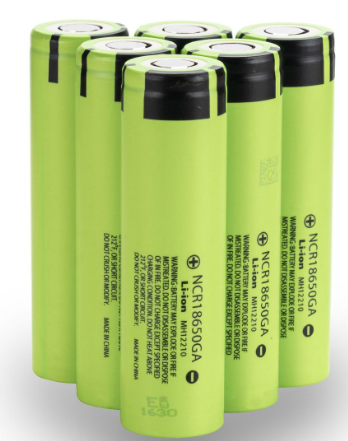
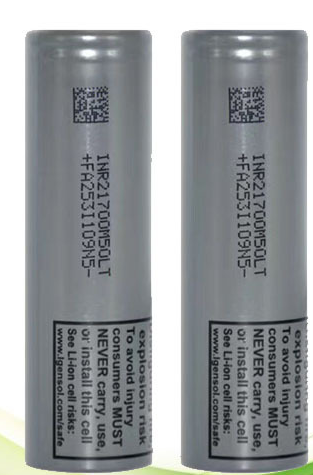
To summarize the above, the cell codes of different manufacturers reflect comprehensive factors such as the type of positive and negative materials of their cells, battery type, cell process and performance characteristics. When selecting a battery, comprehensive consideration needs to be made based on the required power, energy density, cycle life and safety performance.
Can I Replace My Lead-Acid Battery with a LiFePO₄ Battery
As energy storage technology advances, many users are asking whether they can replace traditional lead-acid batteries with lithium iron phosphate batteries (LiFePO₄ batteries) . The answer is yes—in most cases, LiFePO₄ batteries can directly replace lead-acid batteries, offering significant performance, safety, and long-term cost advantages. However, understanding key differences is essential to ensure a smooth and successful upgrade.
Read MoreLiFePO₄ Battery Depth of Discharge and Cycle Life Explained
Lithium Iron Phosphate batteries (LiFePO₄ batteries) are widely recognized for their safety, stability, and long service life. When evaluating these batteries for solar energy storage, RVs, marine systems, or backup power, two key concepts often come up: depth of discharge (DoD) and cycle life. Understanding how these factors relate helps users maximize performance and extend battery lifespan.
Read MoreHow to Maintain and Store a 12V/24V LiFePO₄ Battery
Lithium Iron Phosphate (LiFePO₄) batteries are known for their safety, long lifespan, and low maintenance requirements. However, proper maintenance and correct storage practices are still essential to ensure reliable performance and maximize service life, whether the battery is used in a 12V or 24V system. By following a few best practices, users can protect their investment and keep their energy storage system operating efficiently for years.
Read More